Irrigation Systems in Nigeria – Complete Guide
Introduction
Agriculture remains one of the most important sectors in Nigeria, employing millions of people and contributing significantly to the nation’s GDP. However, farming in Nigeria is heavily dependent on rainfall, which is increasingly unpredictable due to climate change. This is where irrigation systems come in.
Irrigation systems in Nigeria provide farmers with a reliable way to supply water to crops, ensuring consistent growth, improved yields, and year-round farming. Whether you are a small-scale farmer, agribusiness investor, or someone exploring modern farming techniques, understanding irrigation is essential.
This complete guide will walk you through everything you need to know about irrigation systems in Nigeria, including types, benefits, costs, and how to choose the best system.
What is an Irrigation System?
An irrigation system is a method of supplying water to crops artificially, instead of relying solely on rainfall. It involves using tools, equipment, and technology to control water flow to farmland.
In Nigeria, irrigation is especially useful during the dry season or in regions with low rainfall, such as the northern parts of the country.
Importance of Irrigation Systems in Nigeria
1. All-Season Farming
With irrigation, farmers can grow crops throughout the year, not just during the rainy season. This increases food production and income.
2. Increased Crop Yield
Proper irrigation ensures crops receive the right amount of water, leading to healthier plants and higher yields.
3. Climate Change Adaptation
Erratic rainfall patterns have made traditional farming unreliable. Irrigation systems help farmers adapt to these changes.
4. Efficient Water Management
Modern irrigation systems reduce water wastage and ensure optimal usage.
5. Boost to Agribusiness
Irrigation supports commercial farming, helping Nigeria reduce food imports and improve food security.
Types of Irrigation Systems in Nigeria
1. Surface Irrigation
This is the most traditional method where water flows over the soil by gravity.
Examples:
- Flood irrigation
- Furrow irrigation
Advantages:
- Low cost
- Simple to implement
Disadvantages:
- Water wastage
- Not suitable for all crops
2. Drip Irrigation System
Drip irrigation is one of the most efficient irrigation systems in Nigeria. It delivers water directly to the roots of plants through pipes and emitters.
Advantages:
- Saves water
- Reduces weed growth
- Improves crop yield
Best for:
- Vegetables
- Fruits
- Greenhouse farming
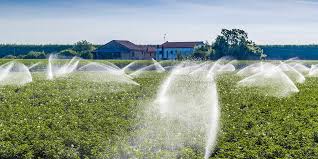
3. Sprinkler Irrigation System
This system mimics rainfall by spraying water over crops using sprinklers.
Advantages:
- Even water distribution
- Suitable for different terrains
Disadvantages:
- Higher cost
- Requires energy (pump system)
4. Center Pivot Irrigation
Common in large-scale farms, this system rotates around a central point and waters crops in a circular pattern.
Advantages:
- Covers large areas
- Automated operation
Disadvantages:
- Expensive
- Requires technical expertise
5. Subsurface Irrigation
Water is supplied below the soil surface directly to plant roots.
Advantages:
- Minimal evaporation
- High efficiency
Disadvantages:
- High installation cost
- Maintenance complexity
Factors to Consider When Choosing an Irrigation System in Nigeria
Choosing the right irrigation system depends on several factors:
1. Type of Crop
Different crops require different watering methods. For example, vegetables thrive well with drip irrigation.
2. Soil Type
Sandy soil drains quickly, while clay soil retains water longer. This affects irrigation choice.
3. Water Source
Reliable water sources such as rivers, boreholes, or reservoirs are essential.
4. Farm Size
- Small farms → Drip irrigation
- Large farms → Sprinkler or center pivot
5. Budget
Some systems are more expensive than others. Farmers must consider installation and maintenance costs.
Cost of Irrigation Systems in Nigeria
The cost of irrigation systems varies depending on size, type, and technology used.
Estimated Costs:
- Drip Irrigation: ₦300,000 – ₦1,500,000 per hectare
- Sprinkler System: ₦500,000 – ₦2,000,000 per hectare
- Borehole Installation: ₦500,000 – ₦2,500,000
Note: Prices may vary based on location, materials, and service providers.
Challenges of Irrigation in Nigeria
Despite its benefits, irrigation in Nigeria faces several challenges:
1. High Initial Cost
Many farmers cannot afford modern irrigation systems.
2. Lack of Technical Knowledge
Some farmers lack the expertise to install and maintain systems.
3. Power Supply Issues
Irrigation systems often require electricity or fuel-powered pumps.
4. Water Scarcity
In some regions, water sources are limited.
5. Poor Infrastructure
Inadequate rural infrastructure affects irrigation adoption.
Government and Private Sector Support
The Nigerian government and private organizations are working to promote irrigation through:
- Agricultural grants and subsidies
- Training programs for farmers
- Public-private partnerships
- Irrigation development projects
Farmers are encouraged to take advantage of these opportunities to reduce costs.
Benefits of Modern Irrigation Systems
Modern irrigation technologies are transforming agriculture in Nigeria:
- Precision watering improves efficiency
- Automation reduces labor
- Smart irrigation systems use sensors and data
- Increased profitability for farmers
How to Install an Irrigation System in Nigeria
Step 1: Site Assessment
Evaluate your land, soil type, and water availability.
Step 2: Choose the Right System
Select a system that fits your farm size and crop type.
Step 3: Design the Layout
Plan pipe connections, water flow, and coverage.
Step 4: Install Equipment
Install pumps, pipes, sprinklers, or drip lines.
Step 5: Test the System
Ensure proper water distribution and fix any issues.
Step 6: Maintenance
Regularly check for leaks, blockages, and wear.
Irrigation and Greenhouse Farming in Nigeria
Greenhouse farming is becoming popular in Nigeria, and irrigation plays a key role.
Drip irrigation is commonly used in greenhouses because it:
- Controls water usage
- Prevents disease
- Improves crop quality
Combining irrigation with greenhouse technology can significantly increase productivity.
Future of Irrigation in Nigeria
The future of irrigation in Nigeria looks promising due to:
- Increased adoption of technology
- Government support for agriculture
- Rising demand for food production
- Growth of agritech solutions
Smart irrigation systems powered by solar energy are also gaining popularity, helping farmers overcome power challenges.
Conclusion
Irrigation systems in Nigeria are essential for modern agriculture. They provide a reliable water supply, improve crop yields, and enable year-round farming. While challenges such as cost and technical knowledge exist, the benefits far outweigh the drawbacks.
Whether you are a small farmer or a large-scale investor, adopting the right irrigation system can transform your farming operations and increase profitability.
If you are looking to invest in agriculture or improve your farm productivity, now is the perfect time to explore irrigation systems in Nigeria.
If you need our expertise Call or Whatsapp : 08130600192
Pingback: Hiring a Building Contractor in Nigeria - Irrigrow
Pingback: Cost of Irrigation Setup in Nigeria - Irrigrow
Pingback: Professional Drip Irrigation Installation Services - Irrigrow
Pingback: Best Irrigation Company in Nigeria – Hire Experts - Irrigrow
Pingback: borehole drilling and water supply company in Nigeria - Irrigrow