Cost of Irrigation Setup in Nigeria
Introduction
Agriculture remains one of the most important sectors in Nigeria, providing food, employment, and income for millions of people. However, one major challenge that farmers consistently face is inconsistent rainfall. Climate change, unpredictable weather patterns, and seasonal droughts have made rain-fed agriculture unreliable. This is where irrigation systems become not just beneficial, but essential.
Understanding the cost of irrigation setup in Nigeria is crucial for farmers, investors, and agribusiness owners who want to maximize productivity and profitability. Irrigation allows farmers to grow crops all year round, increase yield per hectare, and reduce dependence on seasonal rains.
At Irrigrow Civil & Engineering Ltd, we specialize in designing, installing, and maintaining efficient irrigation systems tailored to Nigeria’s diverse agricultural landscapes. This guide provides a comprehensive breakdown of irrigation costs, factors influencing pricing, and how to make the best investment decisions.
What is Irrigation and Why It Matters
Irrigation is the artificial application of water to soil to assist in the growth of crops. Instead of relying solely on rainfall, farmers can control water supply, ensuring crops receive adequate moisture at the right time.
Key Benefits of Irrigation:
- Year-round farming: Grow crops during dry seasons
- Increased yields: Consistent water supply boosts productivity
- Efficient water use: Modern systems reduce wastage
- Crop diversification: Ability to grow high-value crops
- Reduced risk: Less dependence on unpredictable rainfall
For Nigerian farmers, irrigation is no longer optional—it is a strategic investment.
Types of Irrigation Systems in Nigeria
The cost of irrigation setup largely depends on the type of system you choose. Each system has its own advantages, costs, and suitability based on farm size, crop type, and water availability.
1. Drip Irrigation System
This is one of the most efficient irrigation methods, where water is delivered directly to the roots of plants through pipes and emitters.
Advantages:
- Saves water
- Reduces weed growth
- Ideal for vegetables, fruits, and orchards
Estimated Cost in Nigeria:
₦800,000 – ₦2,500,000 per hectare
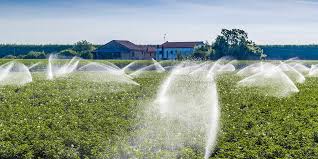
2. Sprinkler Irrigation System
Water is sprayed over crops like rainfall using sprinkler heads.
Advantages:
- Suitable for large fields
- Easy to automate
- Even water distribution
Estimated Cost:
₦600,000 – ₦1,800,000 per hectare
3. Surface Irrigation (Flood Irrigation)
Water flows across the land by gravity.
Advantages:
- Low initial cost
- Simple setup
Disadvantages:
- Water wastage
- Requires level land
Estimated Cost:
₦200,000 – ₦600,000 per hectare
4. Center Pivot Irrigation
A mechanized system that rotates around a central point.
Advantages:
- Ideal for large-scale farming
- Highly efficient
Estimated Cost:
₦15,000,000 – ₦50,000,000 depending on size
Breakdown of Irrigation Setup Costs
To fully understand the cost of irrigation setup in Nigeria, it is important to break down the components involved.
1. Water Source Development
- Borehole drilling: ₦800,000 – ₦3,000,000
- River/stream access setup: ₦200,000 – ₦1,000,000
- Water storage tanks: ₦150,000 – ₦1,500,000
2. Pumping System
- Electric pumps: ₦150,000 – ₦800,000
- Diesel pumps: ₦200,000 – ₦1,200,000
- Solar pumps: ₦500,000 – ₦2,500,000
3. Pipes and Fittings
- PVC pipes: ₦200,000 – ₦1,000,000
- HDPE pipes: ₦300,000 – ₦1,500,000
4. Irrigation Equipment
- Drip lines and emitters
- Sprinklers
- Valves and connectors
Cost varies widely based on system type.
5. Installation and Labor
- ₦100,000 – ₦500,000 per hectare
6. Automation (Optional)
- Controllers and timers: ₦100,000 – ₦500,000
- Sensors: ₦50,000 – ₦300,000
Factors Affecting Irrigation Costs in Nigeria
Several factors influence how much you will spend on irrigation setup.
1. Farm Size
Larger farms require more materials and equipment, increasing costs. However, cost per hectare may reduce due to economies of scale.
2. Location
Remote areas may incur higher transportation and logistics costs. Terrain also affects installation complexity.
3. Water Availability
If water is scarce, additional investment in boreholes or storage systems is required.
4. Type of Crops
High-value crops like vegetables may justify more expensive systems like drip irrigation.
5. Energy Source
Solar-powered systems have higher initial costs but lower long-term expenses compared to diesel.
6. Level of Automation
Fully automated systems cost more but reduce labor and improve efficiency.
Cost Comparison: Small vs Large Farms
Small Farm (1 Hectare)
- Drip system: ₦800,000 – ₦2,500,000
- Borehole: ₦1,000,000
- Pump: ₦300,000
- Total: ₦2,100,000 – ₦3,800,000
Medium Farm (5 Hectares)
- Sprinkler system: ₦3,000,000 – ₦8,000,000
- Borehole: ₦1,500,000
- Pump: ₦500,000
- Total: ₦5,000,000 – ₦10,000,000
Large Farm (20+ Hectares)
- Center pivot: ₦20,000,000+
- Water infrastructure: ₦5,000,000+
- Total: ₦25,000,000 – ₦60,000,000
Return on Investment (ROI)
While irrigation systems require significant upfront investment, the returns can be substantial.
Example:
A farmer growing tomatoes:
- Rain-fed yield: 5 tons per hectare
- Irrigated yield: 15–25 tons per hectare
With irrigation, income can triple, making the investment worthwhile within 1–3 farming seasons.
Challenges of Irrigation in Nigeria
- High initial costs
- Lack of technical knowledge
- Power supply issues
- Maintenance requirements
However, these challenges can be effectively managed with proper planning and expert support.
Why Choose Irrigrow Civil & Engineering Ltd
When considering the cost of irrigation setup in Nigeria, choosing the right partner is just as important as choosing the right system.
Irrigrow Civil & Engineering Ltd provides:
1. Expert Consultation
We analyze your farm, soil, and water availability to recommend the best irrigation solution.
2. Custom Design
Every farm is unique. We design systems tailored to your specific needs.
3. Quality Installation
Our experienced engineers ensure proper installation for maximum efficiency.
4. Affordable Solutions
We help you optimize costs without compromising quality.
5. Maintenance Support
We provide ongoing support to keep your system running efficiently.
Tips to Reduce Irrigation Costs
- Start small and expand gradually
- Choose the right system for your crops
- Use solar pumps to reduce fuel costs
- Maintain your system regularly
- Work with experienced professionals
Government Support and Funding Opportunities
Farmers in Nigeria can explore funding options such as:
- Agricultural loans
- Government grants
- Cooperative societies
These can significantly reduce the financial burden of irrigation setup.
Future of Irrigation in Nigeria
The future of agriculture in Nigeria is closely tied to irrigation. With increasing population and food demand, irrigation will play a key role in ensuring food security.
Technological advancements such as:
- Smart irrigation systems
- Remote monitoring
- AI-driven water management
are gradually being adopted, making irrigation more efficient and accessible.
Conclusion
Understanding the cost of irrigation setup in Nigeria is essential for making informed agricultural investment decisions. While the initial cost may seem high, the long-term benefits in terms of increased yield, year-round farming, and profitability far outweigh the expenses.
Whether you are a small-scale farmer or a large agribusiness investor, irrigation irrigation is a powerful tool that can transform your farming operations.
At Irrigrow Civil & Engineering Ltd, we are committed to helping farmers succeed by providing reliable, cost-effective, and innovative irrigation solutions. With the right system in place, you can take control of your farming future and achieve sustainable growth. irrigation
Call or Whatsapp : 08130600192
Pingback: cost of drip irrigation system for small farm in Nigeria - Irrigrow