Greenhouse Construction Experts in Nigeria
Introduction
Agriculture in Nigeria is rapidly evolving, with farmers and agribusiness investors seeking smarter, more efficient ways to grow crops. One of the most innovative solutions gaining popularity is greenhouse farming.
Greenhouse construction in Nigeria allows farmers to grow crops in a controlled environment, reducing the risks associated with unpredictable weather, pests, and poor soil conditions. However, the success of a greenhouse project largely depends on hiring the right construction experts.
In this guide, we will explore everything you need to know about greenhouse construction in Nigeria, the benefits, costs, and why working with a professional company like Irrigrow Civil & Engineering Ltd is essential for success.
What is a Greenhouse?
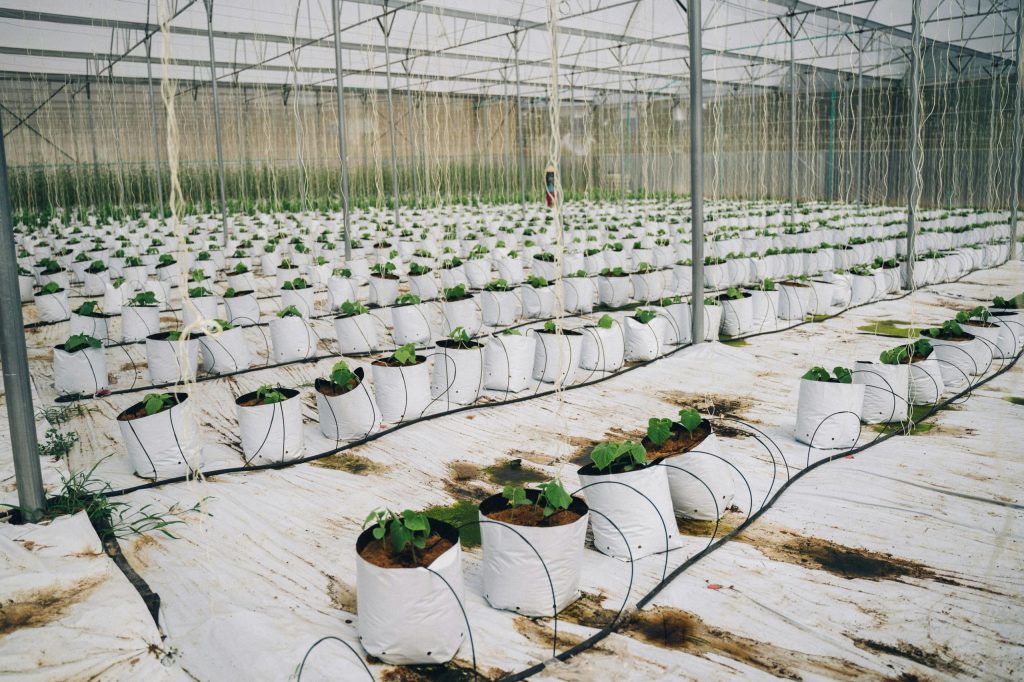
A greenhouse is a structure designed to grow plants under controlled environmental conditions. It is typically covered with transparent materials such as plastic or glass, allowing sunlight to enter while maintaining temperature and humidity levels. greenhouse
Greenhouses enable farmers to:
- Control temperature
- Regulate humidity
- Manage irrigation efficiently
- Protect crops from pests and diseases
Why Greenhouse Farming is Growing in Nigeria
1. Climate Change Challenges
Unpredictable rainfall and extreme weather conditions have made traditional farming less reliable. Greenhouses provide stability.
2. Increased Food Demand
Nigeria’s growing population requires more food production, and greenhouse farming helps meet this demand.
3. Higher Crop Yield
Greenhouses can produce significantly higher yields compared to open-field farming.
4. Year-Round Farming
Farmers can grow crops throughout the year, regardless of the season.
5. Export Opportunities
High-quality produce from greenhouses meets international standards for export.
Benefits of Greenhouse Construction in Nigeria
1. Controlled Environment
Farmers can regulate temperature, light, and humidity to create optimal growing conditions.
2. Water Efficiency
Greenhouses use advanced irrigation systems such as drip irrigation, reducing water waste.
3. Pest and Disease Control
Crops are protected from harmful insects and diseases, reducing the need for pesticides.
4. Improved Crop Quality
Produces healthier, cleaner, and more marketable crops.
5. Increased Profitability
Higher yields and better quality lead to increased income.
Types of Greenhouses in Nigeria
1. Tunnel Greenhouse
Also known as a hoop house, this is the most common and affordable type in Nigeria.
Features:
- Semi-circular structure
- Covered with polyethylene material
- Suitable for small to medium farms
2. Glass Greenhouse
Features:
- High durability
- Maximum sunlight penetration
- Used for large-scale commercial farming
Disadvantage:
- Expensive to build
3. Shade Net Greenhouse
Features:
- Protects crops from excessive sunlight
- Suitable for nurseries and seedlings
4. Smart Greenhouse
Features:
- Automated systems
- Sensors for temperature and humidity
- Remote monitoring
Best for:
- Large agribusiness investments
Key Factors to Consider Before Building a Greenhouse
1. Location
Choose a site with:
- Good sunlight exposure
- Access to water supply
- Proper drainage
2. Crop Type
Different crops require different environmental conditions.
Common greenhouse crops in Nigeria include:
- Tomatoes
- Cucumbers
- Peppers
- Lettuce
3. Irrigation System
A reliable irrigation system is crucial. Drip irrigation is the most recommended for greenhouses.
4. Budget
Greenhouse construction costs vary depending on size, materials, and technology.
5. Professional Expertise
Working with experienced greenhouse construction experts ensures proper design and installation.
Cost of Greenhouse Construction in Nigeria
The cost of building a greenhouse in Nigeria depends on several factors:
Factors Affecting Cost:
- Size of the greenhouse
- Type of materials used
- Irrigation system
- Level of automation
Estimated Cost:
- Small greenhouse (100–500 sqm): ₦800,000 – ₦3,000,000
- Medium greenhouse (500–1,000 sqm): ₦3,000,000 – ₦8,000,000
- Large commercial greenhouse: ₦10,000,000+
Note: Prices may vary based on location and customization.
Why Hire Greenhouse Construction Experts in Nigeria?
Building a greenhouse is not a DIY project. It requires technical knowledge and precision.
Benefits of Hiring Experts:
- Proper structural design
- Efficient irrigation system integration
- Long-lasting construction
- Reduced risk of failure
- Professional project management
Why Choose Irrigrow Civil & Engineering Ltd?
When it comes to greenhouse construction in Nigeria, Irrigrow Civil & Engineering Ltd is a trusted name.
1. Industry Experience
Extensive experience in agricultural and civil engineering projects.
2. Customized Solutions
Greenhouses designed to meet specific crop and environmental needs.
3. Integrated Services
- Greenhouse construction
- Irrigation system installation
- Farm infrastructure development
4. Quality Materials
Use of durable and high-quality construction materials.
5. Expert Team
Skilled engineers and agricultural specialists.
6. Nationwide Services
Serving clients across Nigeria.
Step-by-Step Greenhouse Construction Process
Step 1: Site Assessment
Evaluate soil condition, sunlight exposure, and water availability.
Step 2: Design Planning
Create a greenhouse design based on crop type and farm size.
Step 3: Material Selection
Choose appropriate covering materials and structural components.
Step 4: Construction
Build the greenhouse structure and install covering.
Step 5: Irrigation Installation
Install drip irrigation or other suitable systems.
Step 6: Testing and Setup
Ensure all systems are functioning properly.
Challenges of Greenhouse Farming in Nigeria
1. High Initial Investment
Greenhouses require significant upfront capital.
2. Technical Knowledge
Farmers need training to manage greenhouse systems.
3. Power Supply
Some systems require electricity for automation.
4. Maintenance
Regular maintenance is necessary for optimal performance.
Future of Greenhouse Construction in Nigeria
The future is promising due to:
- Increased awareness of modern farming
- Government support for agriculture
- Growth in agribusiness investments
- Adoption of smart farming technologies
Greenhouse farming is expected to play a major role in ensuring food security in Nigeria.
Conclusion
Greenhouse construction in Nigeria is transforming agriculture by providing a controlled, efficient, and profitable way to grow crops. While the initial investment may be high, the long-term benefits make it a worthwhile venture.
Partnering with experienced professionals like Irrigrow Civil & Engineering Ltd ensures your greenhouse project is designed and built to the highest standards, giving you the best chance of success.
If you are ready to invest in modern agriculture, greenhouse farming is one of the smartest decisions you can make.
Greenhouse Construction Experts in Nigeria
Call or Whatsapp : 08130600192