Drip Irrigation Systems in Nigeria
Agriculture in Nigeria is undergoing a major transformation as farmers move from traditional rainfall-dependent methods to modern, efficient irrigation technologies. One of the most effective and widely adopted systems is the drip irrigation system. This system is helping farmers improve crop yields, conserve water, and achieve year-round farming regardless of weather conditions.
In a country where climate variability and long dry seasons often affect agricultural productivity, drip irrigation has become a game-changer for both smallholder and commercial farmers. Companies like Irrigrow Civil & Engineering Ltd are at the forefront of designing and installing reliable drip irrigation systems across Nigeria.
What is a Drip Irrigation System?
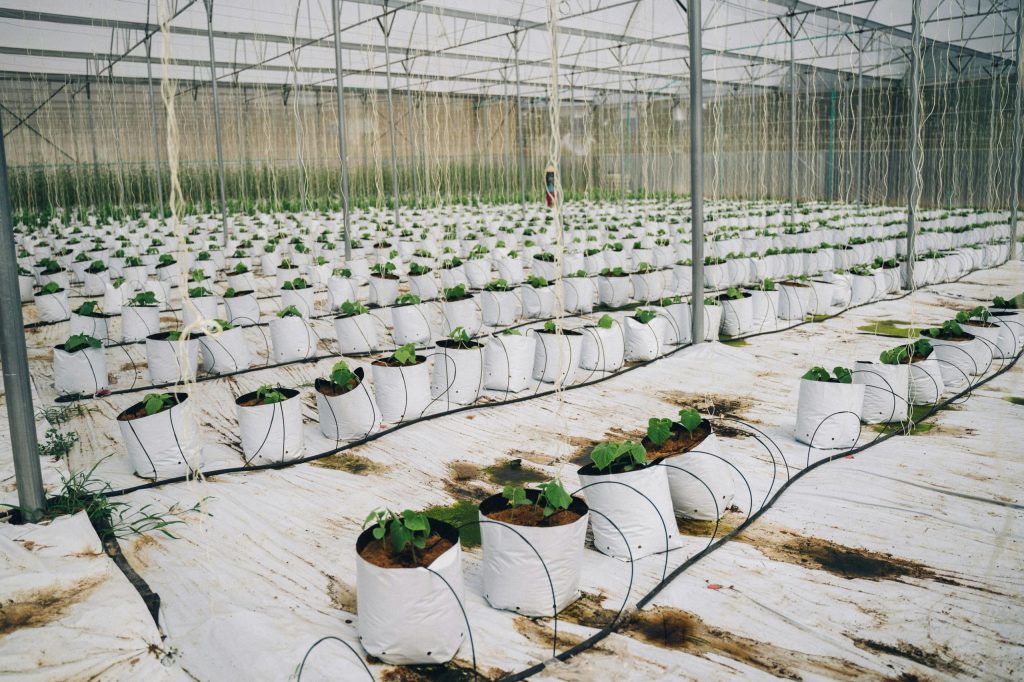
A drip irrigation system is a method of watering crops by delivering small, controlled amounts of water directly to the plant root zone through a network of pipes, tubes, and emitters.
Unlike traditional irrigation methods that flood the entire field, drip irrigation targets only the plants that need water, reducing waste and improving efficiency.
This system is widely used in:
- Vegetable farms
- Greenhouses
- Fruit plantations
- Flower farming
- Commercial agricultural projects
Why Drip Irrigation is Important in Nigeria
Nigeria’s agricultural sector faces several challenges, including irregular rainfall, drought, and inefficient water management. Drip irrigation helps solve these problems in a practical and cost-effective way.
1. Irregular Rainfall
Rainfall patterns in Nigeria are no longer predictable, making farming risky without controlled irrigation.
2. Water Scarcity
In many regions, water supply is limited. Drip systems ensure efficient water usage.
3. Increasing Food Demand
Nigeria’s growing population requires higher food production, which drip irrigation supports.
4. Climate Change Impact
Rising temperatures and drought conditions make traditional farming less reliable.
How Drip Irrigation Systems Work
Drip irrigation systems operate through a simple but highly efficient process:
- Water is collected from a source (borehole, tank, river, or reservoir)
- It passes through a pump and filtration unit
- Water flows through main and sub-main pipelines
- Emitters release water slowly near plant roots
This ensures that every plant receives the exact amount of water needed for optimal growth.
Components of a Drip Irrigation System
A complete drip irrigation system in Nigeria includes several important components:
1. Water Source
This could be a borehole, dam, tank, or river.
2. Pumping System
Used to push water through the irrigation network.
3. Filters
Remove dirt and debris to prevent clogging.
4. Mainline Pipes
Transport water from the source to different parts of the farm.
5. Lateral Pipes
Distribute water across planting rows.
6. Emitters (Drippers)
Release water slowly and directly to plant roots.
7. Control Valves
Regulate water flow and pressure.
8. Fertilizer Injector
Allows nutrients to be mixed with irrigation water (fertigation).
Types of Drip Irrigation Systems in Nigeria
Different farms require different drip irrigation setups depending on size, crop type, and budget.
1. Surface Drip Irrigation
Pipes are placed on the soil surface and deliver water directly to plants.
Best for:
- Vegetable farming
- Small to medium farms
2. Subsurface Drip Irrigation
Pipes are buried under the soil to deliver water directly to roots.
Best for:
- Commercial farms
- High-value crops
3. Greenhouse Drip Systems
Specialized systems designed for controlled environments.
Best for:
- Tomato farming
- Pepper and cucumber production
4. Portable Drip Systems
Flexible systems that can be moved between fields.
Best for:
- Smallholder farmers
- Seasonal farming
Benefits of Drip Irrigation Systems in Nigeria
1. Water Conservation
Drip irrigation uses up to 60–70% less water compared to traditional methods.
2. Higher Crop Yield
Consistent watering leads to healthier crops and increased production.
3. Reduced Weed Growth
Water is delivered only to crops, limiting weed development.
4. Fertilizer Efficiency
Fertilizers are delivered directly to plant roots, improving absorption.
5. Labour Savings
Farmers spend less time manually watering crops.
6. Improved Crop Quality
Produces healthier, more uniform, and market-ready crops.
Crops Suitable for Drip Irrigation in Nigeria
Drip irrigation is ideal for many crops grown in Nigeria, including:
- Tomatoes
- Peppers (ata rodo, tatashe)
- Cucumbers
- Onions
- Lettuce
- Cabbage
- Spinach
- Watermelon
- Strawberries
These crops respond well to controlled watering and show significant improvement in yield and quality.
Installation Process of Drip Irrigation Systems
Professional installation is essential for system efficiency and durability.
Companies like Irrigrow Civil & Engineering Ltd follow a structured process:
Step 1: Farm Assessment
Evaluation of land size, soil type, water source, and crop selection.
Step 2: System Design
A custom irrigation layout is created for maximum efficiency.
Step 3: Material Selection
High-quality pipes, emitters, pumps, and filters are selected.
Step 4: Installation
System components are installed across the farm.
Step 5: Testing
Water pressure and flow distribution are tested.
Step 6: Training
Farmers are trained on operation and maintenance.
Cost of Drip Irrigation Systems in Nigeria
The cost of installing a drip irrigation system depends on several factors:
- Farm size
- Type of crops
- Quality of materials
- Water source availability
- Level of automation
While initial setup may require investment, long-term savings in water, labour, and fertilizer make it highly profitable.
A professional company like Irrigrow Civil & Engineering Ltd typically provides customized pricing based on farm evaluation.
Challenges of Drip Irrigation Systems
Despite its benefits, drip irrigation in Nigeria faces some challenges:
1. High Initial Cost
Setup may be expensive for small-scale farmers.
2. Maintenance Requirements
Filters and emitters require regular cleaning.
3. Technical Knowledge
Proper training is needed to operate the system effectively.
4. Clogging Issues
Poor water quality can block emitters if not filtered properly.
Why Choose Professional Drip Irrigation Installers
Hiring experts ensures:
- Proper system design
- Efficient water distribution
- Durable installation
- Reduced maintenance issues
- Higher farm productivity
Irrigrow Civil & Engineering Ltd – Leading Irrigation Experts in Nigeria
Irrigrow Civil & Engineering Ltd is a trusted engineering and agricultural infrastructure company in Nigeria, specializing in modern irrigation systems.
Their Drip Irrigation Services Include:
- Farm irrigation design
- Drip system installation
- Greenhouse irrigation setup
- Borehole integration
- Maintenance and upgrades
Why Farmers Choose Them:
- Experienced engineers
- High-quality materials
- Affordable and customized solutions
- Reliable project delivery
- Strong customer support
Future of Drip Irrigation in Nigeria
The future of agriculture in Nigeria is closely tied to modern irrigation systems. Drip irrigation will continue to grow due to:
- Climate change challenges
- Food security demands
- Expansion of commercial farming
- Government agricultural programs
- Adoption of smart farming technologies
Future innovations include:
- Solar-powered drip systems
- Automated irrigation sensors
- Smart farm monitoring systems
- AI-driven water management
Conclusion
Drip irrigation systems are revolutionizing agriculture in Nigeria by providing efficient water use, increased productivity, and improved crop quality. As farmers face increasing environmental and economic challenges, adopting modern irrigation methods is no longer optional—it is essential.
With professional support from Irrigrow Civil & Engineering Ltd, farmers can access reliable, well-designed drip irrigation systems that maximize farm output and ensure long-term success. irrgrow
Investing in drip irrigation today is a step toward sustainable, profitable, and modern farming in Nigeria. irrigrow
Cal or Whatsapp : 08130600192