Greenhouse Setup Cost in Nigeria. Nigeria’s agricultural sector is rapidly evolving, and greenhouse farming has become one of the most profitable modern farming systems in the country. With the increasing demand for fresh vegetables such as tomatoes, cucumbers, peppers, lettuce, and leafy vegetables, many farmers and investors are now adopting greenhouse technology to improve productivity and maximize profits.
At Irrigrow Civil & Engineering Ltd, we understand that one of the first questions people ask before venturing into greenhouse farming is:
“How much does greenhouse setup cost in Nigeria?”
The truth is that greenhouse setup costs vary depending on several factors such as the size of the greenhouse, the materials used, irrigation systems, ventilation, location, and the type of crops you intend to grow.
This article explains everything you need to know about greenhouse setup costs in Nigeria, the components involved, benefits of greenhouse farming, and how to plan a profitable greenhouse project.
What is a Greenhouse?
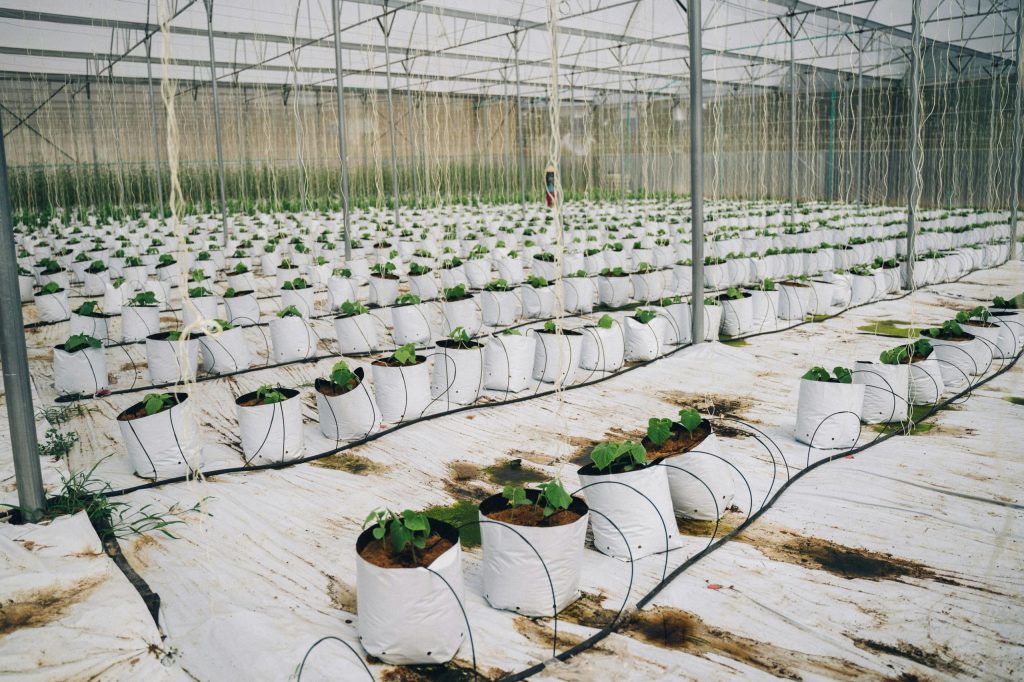
A greenhouse is a controlled farming structure covered with transparent materials such as polyethylene film or polycarbonate sheets. It creates a suitable environment for crops by regulating temperature, humidity, sunlight, and water supply.
Unlike open-field farming, greenhouse farming allows crops to grow under protected conditions, reducing exposure to harsh weather, pests, excessive rainfall, and diseases.
Greenhouses are commonly used for:
- Tomatoes
- Cucumbers
- Bell peppers
- Habanero peppers
- Lettuce
- Spinach
- Herbs
- Strawberry farming
- Nursery cultivation
Greenhouse farming has become increasingly popular in Nigeria because it helps farmers achieve higher yields throughout the year.
Why Greenhouse Farming is Growing in Nigeria
Several factors are contributing to the rapid adoption of greenhouse farming across Nigeria.
1. Increasing Food Demand
Nigeria’s growing population has increased the demand for fresh vegetables and healthy food products. Restaurants, hotels, supermarkets, and households now demand consistent supply throughout the year.
2. Climate Challenges
Unpredictable rainfall, excessive heat, flooding, and drought affect open-field farming. Greenhouses protect crops from these environmental problems.
3. Higher Productivity
Greenhouse farming can produce significantly higher yields compared to traditional farming methods because environmental conditions are controlled.
4. Better Crop Quality
Crops grown inside greenhouses are usually cleaner, healthier, and more attractive in the market.
5. Water Conservation
Greenhouses use drip irrigation systems that reduce water wastage while improving crop growth.
Factors That Affect Greenhouse Setup Cost in Nigeria
There is no fixed price for greenhouse installation because several factors determine the overall cost.
1. Greenhouse Size
The larger the greenhouse, the higher the installation cost. Common greenhouse sizes include:
- 8m x 24m
- 8m x 30m
- 9m x 40m
- Multi-span commercial greenhouses
A small greenhouse may cost a few million naira, while large commercial systems can cost tens or hundreds of millions depending on the project scale.
2. Type of Greenhouse Structure
Different greenhouse designs come with different pricing.
Tunnel Greenhouse
This is one of the most affordable greenhouse systems. It is commonly used for vegetable farming and small commercial projects.
Saw-Tooth Greenhouse
This design offers better ventilation and is suitable for tropical climates like Nigeria.
Multi-Span Greenhouse
This is a large commercial greenhouse structure suitable for industrial farming.
3. Covering Material
The covering material significantly affects cost.
Polyethylene Film
This is cheaper and commonly used in Nigeria.
Polycarbonate Sheets
More durable but more expensive.
4. Irrigation System
Most greenhouse projects use drip irrigation because it supplies water directly to crop roots while minimizing waste.
The irrigation system may include:
- Water tanks
- Drip lines
- Filters
- Fertigation systems
- Pumps
- Valves
Advanced irrigation systems increase project costs but improve efficiency.
5. Ventilation and Cooling Systems
Ventilation is important in greenhouse farming because excessive heat can damage crops.
Cooling systems may include:
- Exhaust fans
- Cooling pads
- Shade nets
- Side ventilation systems
Large commercial greenhouses often require advanced climate control systems.
6. Land Preparation
The condition of the land also affects installation costs.
Additional expenses may include:
- Excavation
- Clearing
- Leveling
- Fencing
- Access roads
- Drainage systems
7. Location
Transportation and logistics affect project pricing. Greenhouse installation in remote locations may cost more due to transportation of materials and labor.
Estimated Greenhouse Setup Cost in Nigeria
Below is a general estimate of greenhouse setup costs in Nigeria. Actual prices may vary depending on design specifications and market conditions.
| Greenhouse Size | Estimated Cost Range |
|---|---|
| Small-scale greenhouse | ₦2 million – ₦6 million |
| Medium commercial greenhouse | ₦6 million – ₦15 million |
| Large commercial greenhouse | ₦15 million – ₦100 million+ |
These estimates may include:
- Structural installation
- Drip irrigation
- Water systems
- Basic ventilation
- Installation labor
Additional facilities such as solar power, automation, cooling systems, and fertigation units may increase costs.
Cost Breakdown of a Typical Greenhouse Project
Here is a typical breakdown of greenhouse setup expenses.
Structural Framework
The greenhouse frame is usually made of galvanized steel pipes to resist rust and ensure durability.
This often takes a significant percentage of the total project cost.
Greenhouse Cover
The transparent covering material allows sunlight penetration while protecting crops.
High-quality UV-treated covers are recommended for long-term use.
Drip Irrigation Installation
Drip irrigation is essential for greenhouse farming because it delivers precise water supply directly to the crops.
Water Storage System
Most greenhouse projects require overhead tanks or reservoirs for irrigation.
Land Preparation and Civil Works
This includes:
- Site clearing
- Earthworks
- Drainage
- Concrete works
- Pathways
Labor and Installation
Professional installation is important to ensure structural stability and proper irrigation performance.
Crops Suitable for Greenhouse Farming in Nigeria
One major advantage of greenhouse farming is the ability to cultivate high-value crops.
Tomatoes
Tomatoes are among the most profitable greenhouse crops in Nigeria due to their high demand.
Cucumbers
Cucumber farming is widely practiced because of its short maturity period and strong market demand.
Bell Peppers
Bell peppers thrive well inside greenhouses and attract premium market prices.
Lettuce and Vegetables
Leafy vegetables grow faster under controlled greenhouse environments.
Benefits of Greenhouse Farming
Year-Round Production
Farmers can produce crops during dry and rainy seasons.
Increased Yield
Greenhouse farming can significantly improve productivity compared to open-field farming.
Pest and Disease Reduction
Protected farming reduces exposure to pests and diseases.
Efficient Water Usage
Drip irrigation systems conserve water and reduce wastage.
Better Profitability
Higher crop quality and consistent production often result in better income.
Challenges of Greenhouse Farming in Nigeria
Despite the benefits, greenhouse farming also has some challenges.
High Initial Capital
Greenhouse setup requires substantial investment.
Technical Knowledge
Farmers need proper training on greenhouse management.
Maintenance Costs
Greenhouses require regular maintenance to ensure optimal performance.
Power Supply Challenges
Cooling systems and irrigation pumps may require stable electricity.
How to Reduce Greenhouse Setup Costs
Start Small
New investors can begin with a smaller greenhouse before expanding.
Use Local Expertise
Working with experienced local greenhouse companies can reduce unnecessary expenses.
Invest in Quality Materials
Cheap materials may lead to higher maintenance costs later.
Proper Planning
A detailed project plan helps avoid costly mistakes.
Importance of Professional Greenhouse Installation
Professional installation ensures:
- Structural durability
- Proper ventilation
- Efficient irrigation
- Long-term performance
- Better crop productivity
Poorly installed greenhouses may collapse, overheat, or experience irrigation problems.
Why Choose Irrigrow Civil & Engineering Ltd
Irrigrow Civil & Engineering Ltd specializes in modern agricultural and engineering solutions across Nigeria.
Our services include:
- Greenhouse construction
- Drip irrigation installation
- Farm infrastructure development
- Water systems
- Agricultural engineering
- Smart farming solutions
- Land development
We provide customized greenhouse solutions based on client needs, crop types, budget, and environmental conditions.
Things to Consider Before Starting a Greenhouse Project
Before investing in greenhouse farming, consider the following:
Market Availability
Ensure there is demand for the crops you intend to cultivate.
Water Source
Reliable water supply is critical for greenhouse operations.
Farm Security
Protect your investment with proper fencing and security measures.
Technical Support
Work with professionals who can provide installation and maintenance support.
Expansion Opportunities
Design your greenhouse project with future expansion in mind.
Is Greenhouse Farming Profitable in Nigeria?
Yes, greenhouse farming can be highly profitable when properly managed.
Factors that influence profitability include:
- Crop selection
- Farm management
- Market access
- Irrigation efficiency
- Pest control
- Production planning
Many greenhouse farmers in Nigeria generate substantial income through year-round vegetable production.
However, success depends on good planning, technical knowledge, and proper management.
Future of Greenhouse Farming in Nigeria
The future of greenhouse farming in Nigeria is promising due to:
- Rising food demand
- Urban agriculture growth
- Climate-smart farming adoption
- Government interest in agriculture
- Increasing youth participation in agribusiness
Modern greenhouse technology is helping farmers improve food production while maximizing available land and water resources.
As agriculture continues to modernize, greenhouse farming is expected to play a major role in Nigeria’s food security and commercial agriculture sector.
Conclusion
Greenhouse farming is transforming modern agriculture in Nigeria by enabling farmers to produce crops more efficiently and profitably throughout the year.
Although greenhouse setup costs in Nigeria may appear high initially, the long-term benefits often outweigh the investment when projects are properly designed and managed.
The total cost of greenhouse installation depends on factors such as greenhouse size, irrigation systems, structural materials, ventilation, and project location.
Whether you are a small-scale farmer, agribusiness investor, institution, or commercial farm owner, investing in greenhouse farming can significantly improve productivity and profitability.
At Irrigrow Civil & Engineering Ltd, we are committed to delivering professional greenhouse construction and agricultural engineering solutions tailored to your farming goals.
For greenhouse setup, drip irrigation installation, and agricultural infrastructure projects, partnering with experienced professionals is essential to achieving long-term farming success. irrigation